English translation of the prose
AI-assisted English translation of the prose; quoted poems remain in Japanese. The Japanese original remains authoritative.
I Wish to Rescue Yamakawa Tomiko
Seishu Hamano
President of Japan Romanticism Academia
Editor-in-chief of the Online Man'yōshū
Former professor in the Department of English, Faculty of Humanities, Japan Women's University
On this visit to Obama, thoughts of the ill-fated later years of Yamakawa Tomiko gave me a feeling very close to that of making a pilgrimage.
Having devoted fourteen years to teaching literature as a professor in the Department of English at Japan Women's University, I had always felt sorrow over the circumstances in which Tomiko, a student of that department more than a century ago, came to leave the university.
Masuda Masako, though reprimanded over Koigoromo, later married a teacher at the university and recovered her honor through the “Chino Shōshō and Masako Scholarship.” Yamakawa, however, fell ill, returned to Obama, and ended her unhappy life. That is where matters still stand. In other words, Yamakawa Tomiko, a foremost Romantic tanka poet of modern Japan, receives no particular words of praise at Japan Women's University, merely a place in reference works. To this day, there has been no restoration of her honor that would make her widely known among the young.
Japan Women's University is an institution of spirit, unusual among women's universities in not proclaiming the ideal of the “good wife and wise mother.” Its founder, Jinzō Naruse, set out a vision of educating women, too, as fully developed human beings. It is worth recording that an unexpectedly large number of applicants responded to that vision. I myself found much to sympathize with in Naruse's principles and explained the founding spirit to new students who knew nothing of it.
All the more, then, did the treatment of Tomiko, who traveled so far from Obama to enroll and accomplished such distinguished work as a poet, seem pitiable. Pressed by the currents of the time, the university yielded to the authorities' guidance and took disciplinary action. Yet its subsequent treatment of her has been too cool and dispassionate, without the splendor of Romanticism; the regret at that absence of passion continues unchanged today. Having repeatedly taught students the passion within Naruse's principles while serving on the dormitory committee, I still wish, for the honor of Japan Women's University itself, to see Tomiko's honor and passion restored.
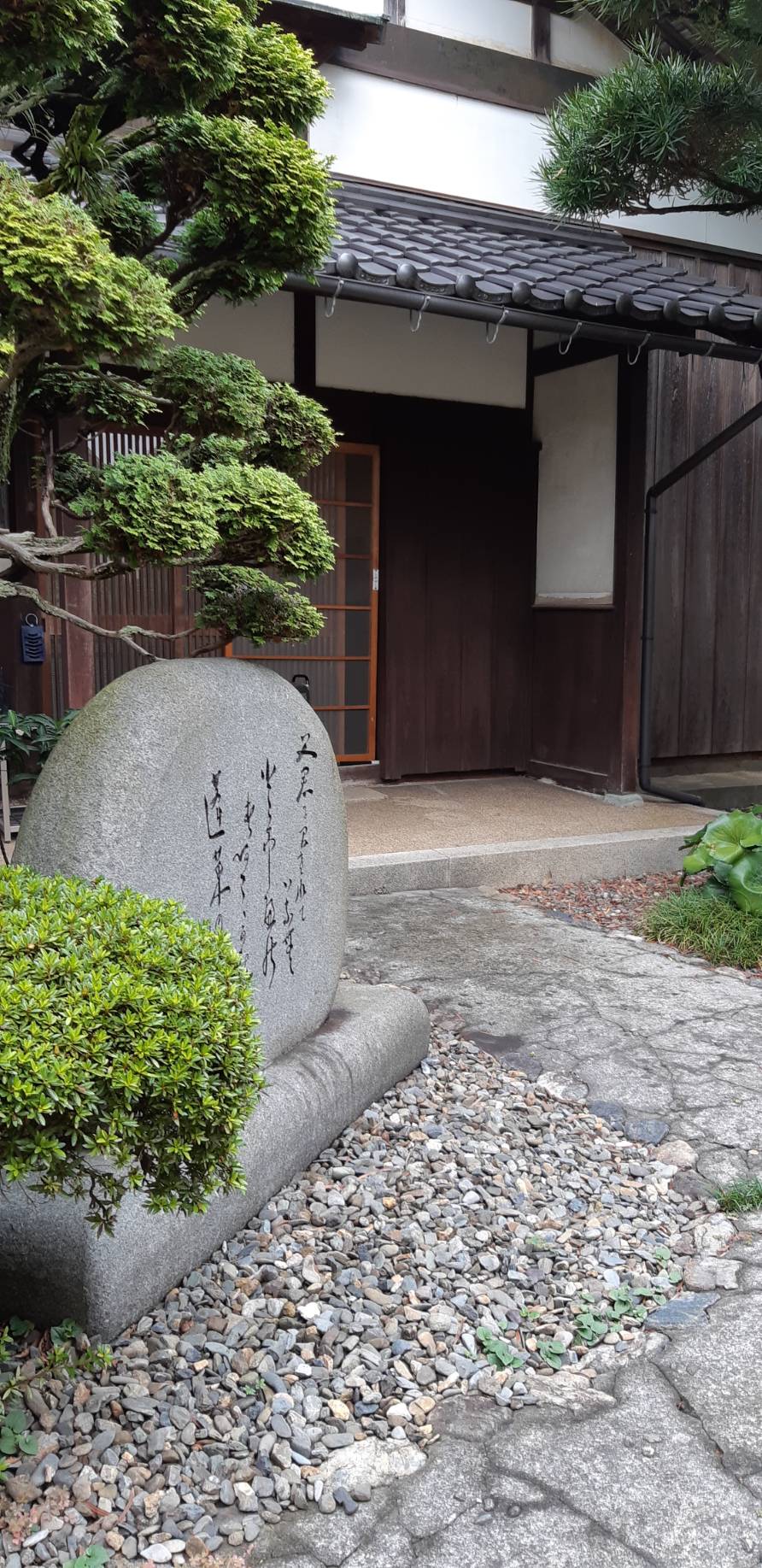
Fortunately, her birthplace has become a memorial museum, and Obama City maintains it with admirable care. I imagine that both Tomiko and her father must be delighted. Yet as I took each step along the corridors inside, I felt such pain that I could scarcely suppress my rising tears. From the moment I read the monument beside the entrance bearing her farewell poem, this essay therefore becomes an earnest account, across the passage of a hundred years, of my longing after Tomiko's unfinished dream.
父君に召されていなむ永久の
春あたたかき蓬莱のしま 登美子
In Hōrai, Tekkan is no longer there. Akiko, too, is distant. If Tomiko were asked whether she wished to see them again, she would answer: “No. My heart rests under the love of my father, who separated me from them.” Thinking that those who study Tomiko in Obama might also interpret it this way, I passed from the entrance into the tatami reception room. At my very first step inside, a poem came to me.
君逝かめ生まれ変はりて父君の
御膝で食事ぞ稚児のかわゆき 成秋
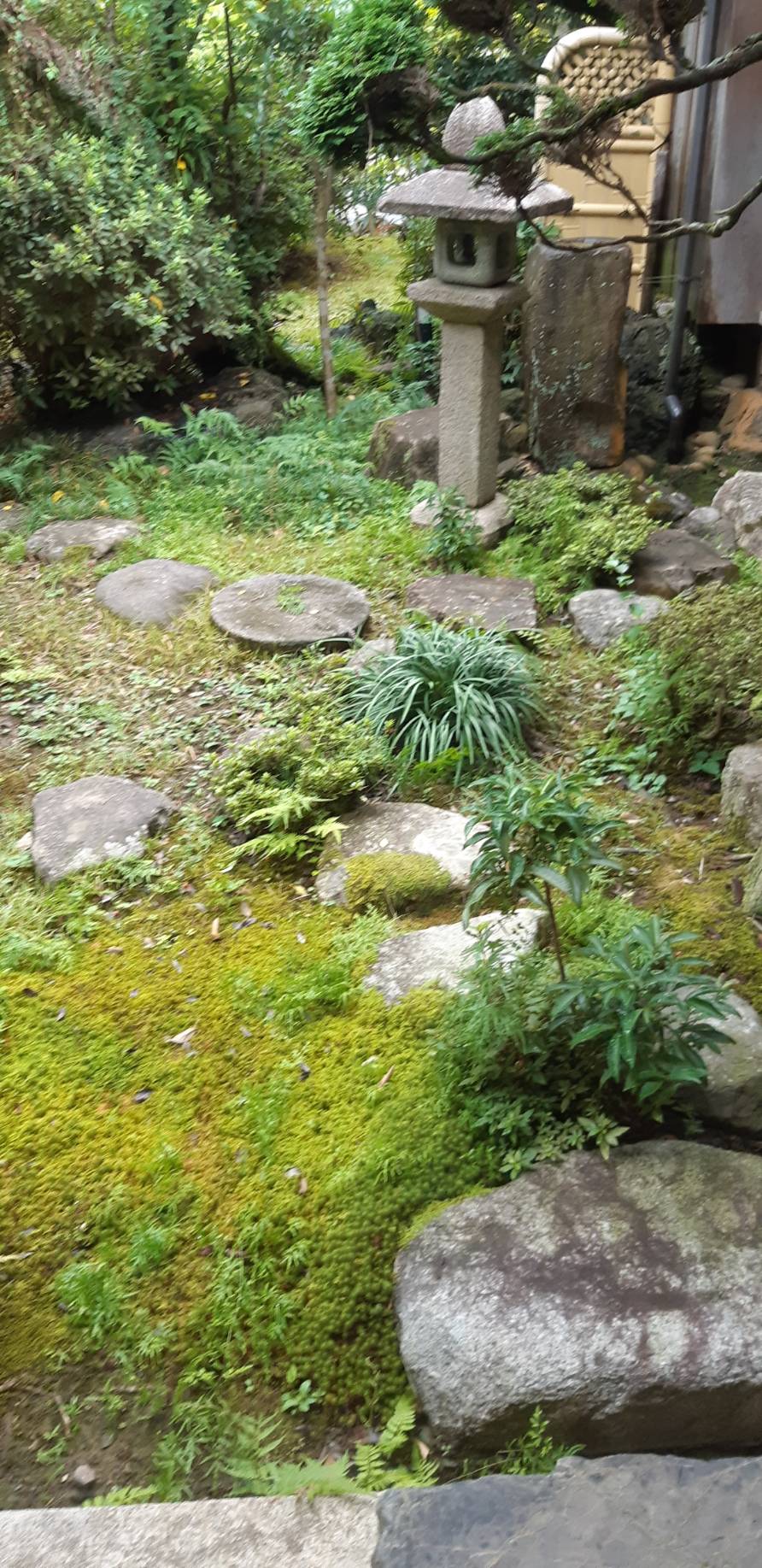
A sense of someone's presence reached as far as the inner room. There should have been no visitors, yet I could hear a cough. Surely not Tomiko's? I walked along the corridor for a while. Had I imagined it? Then the climbing plants in the garden caught my eye.
伸び盛るつる草憎し萎えちぢむ
主の心を知らでか庭にゐて 成秋
Three steps farther on, the garden lantern called to mind the stepping stones of a tea gathering, and another poem came.
枯れ萎む御體愛おし燈篭の
赤き火影よ密事裳て 成秋
Again, from the end of the corridor, there seemed to be a cough. Had Tomiko indeed noticed and hurried back from the land of the dead? Or was that Takuboku, who had packed his things at the Shinshisha together with 滝野 and 勇?
その名さへ忘られし頃飄然と
ふるさとに来て咳せし男 啄木
No, that cough was a woman's: it must have been Tomiko herself. I strained my ears. The building was perfectly still. An auditory illusion? Tomiko, my student, behind you and the others were Tekkan's maneuvers. How pitiable. The university authorities, too, were trapped as they tried to shield you from the police. What anguish Naruse must have felt over the decision they barely managed to reach. Please try to understand.
それとなく赤き花みな友にゆずり
そむきて泣きて忘れ草つむ 登美子
This poem was not written at that period, but Tomiko's modesty never changed. Look at the photograph of Tomiko with Akiko at the turn of the century, before the women's university opened. Akiko, the daughter of a prosperous merchant household, sits on a chair; beside her, the daughter of a senior domain retainer sits on the floor. What a sense of restraint Tomiko and the Yamakawa family possessed.
I thought of these things as I walked along the corridor. Then another cough from the secluded inner room. That was a woman's cough; it must have been the young lady's. I strained my ears. The building was perfectly still. An auditory illusion? Tomiko, my student, your Koigoromo was no crime. The university authorities, too, took their measures as a desperate expedient. It was an institution only just established. Naruse must have been heartbroken as well. Please understand him, I thought.
The flow of time is cruel, painful. It cannot be recovered.
A person's short life is a tiny bamboo-leaf boat floating down a river. To visit Tomiko, who says the flower of forgetting will do, I would like to bring forget-me-nots. Lady of the white lily, did you do something needless? No: amid the surge of victory in the Russo-Japanese War a hundred years ago, Romantic literature was tossed about like a little leaf boat. Yet seen from the present, Koigoromo was also a courageous cry by Japanese people that helped give birth to today's democratic age.
Tomiko, you were precisely the free person of whom Whitman speaks. Yet you were made a captive of the prevailing climate, as one of the boatmen of the vessel called liberalism. Professor 青木生子, the Man'yōshū scholar who also served as president of Japan Women's University, was a central figure in honoring Tomiko together with Masuda Masako. As a professor of English at the same university and a scholar of Romantic literature, I too cannot help mourning the sight of Tomiko leaving the university in disappointment. Yamakawa Tomiko, if only you could return to life and come back to my seminar. Taking account of your frail health and outstanding academic achievement, I would have liked to let you skip a year and graduate.
At last I reached the bedroom. Where was Tomiko? There was no figure in the inner room, and no cough to be heard. Only soft sunlight welcomed me. Tomiko.
わが胸の棘の痛みは刺し障る
百年過ぎてもゼミに復せよ 成秋
With hands joined in prayer.
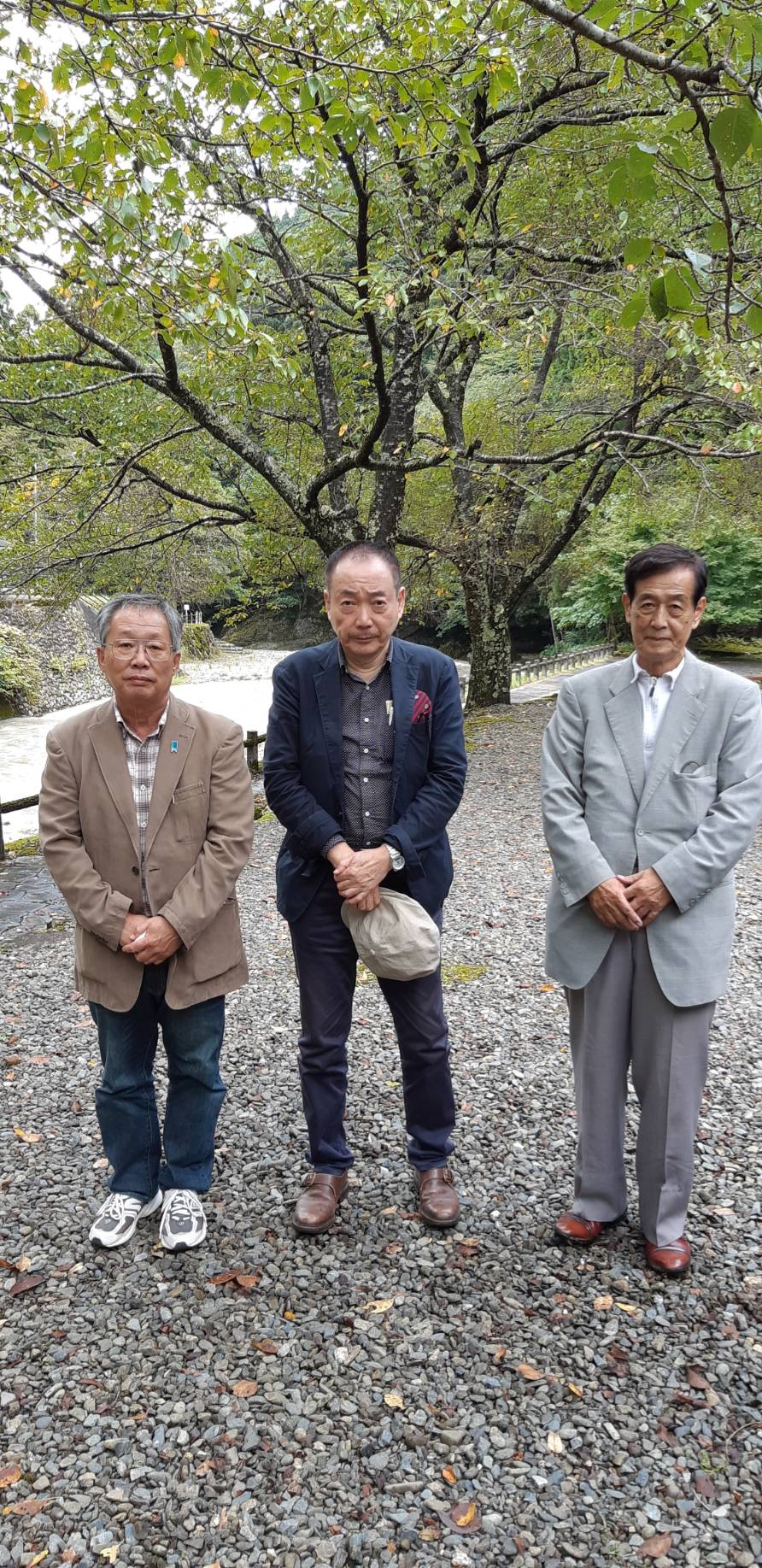
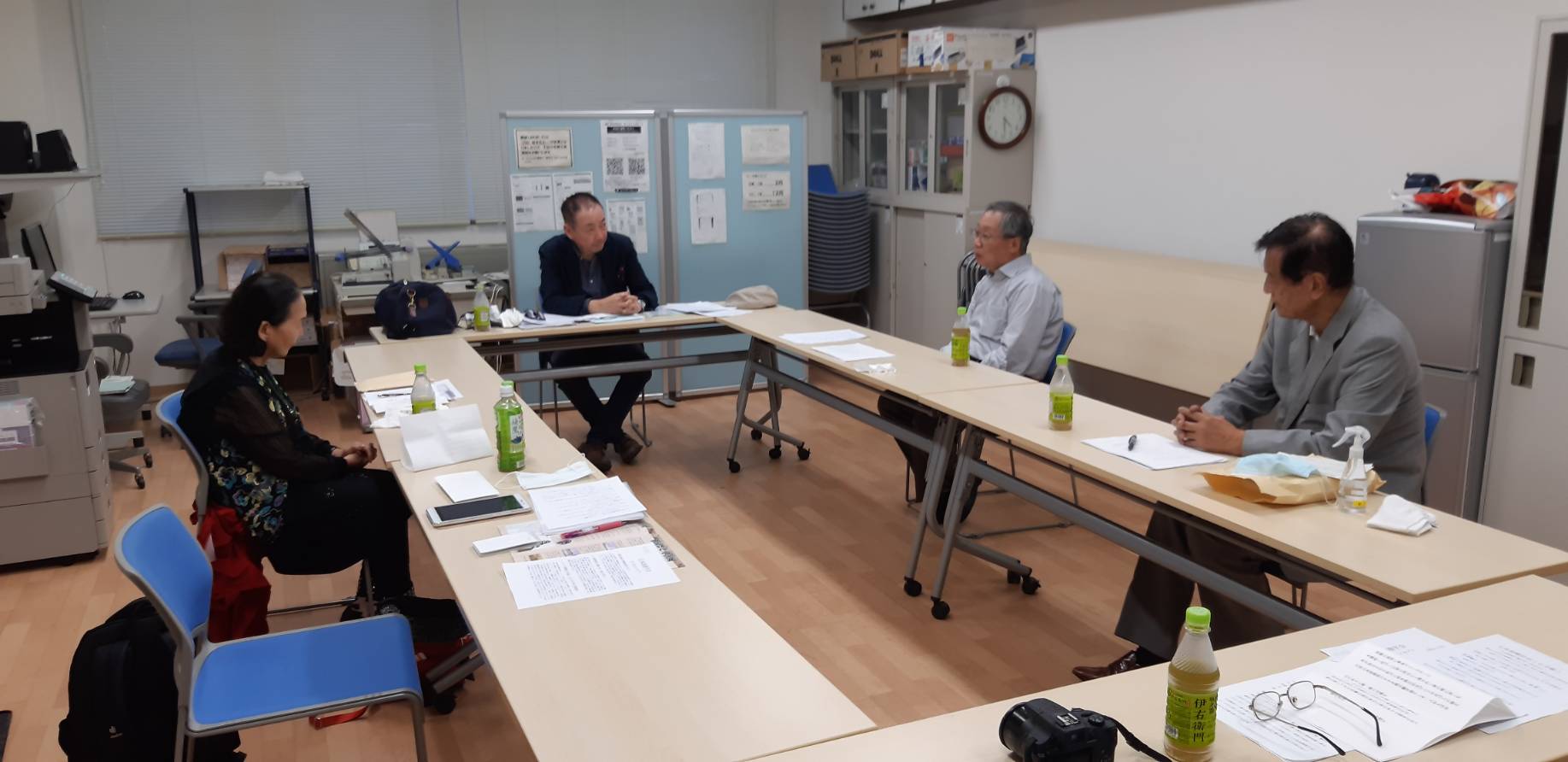
Photograph captions: Yamakawa Tomiko Memorial Museum; Obama City, Fukui Prefecture.
Original source images
Select an image to open its source. Text within images remains in its original language.
Original wording, author credits, notes and source materials are preserved there.