English translation of the prose
AI-assisted English translation of the prose; quoted poems remain in Japanese. The Japanese original remains authoritative.
Homepage of the Japanese Website, Preserved at the Time of Capture
This historical page combines material from several periods, concert announcements, membership invitations, and the automatically generated lists and template links visible when it was captured. It is not a current homepage or membership notice. A separate document records the cancellation of the meeting announced here for November 1, 2020.
Online Manyo-shu
Japan Romanticism Academia has made steady progress with its Online Manyoshu. Because submissions have tended toward poetry, we are also actively seeking fiction and criticism to promote literature. We accept not only original works in Japanese but also works in English from overseas.
Select the heading above or the program. A translation of the program images appears later in this document.
Celebrating the Japan Romantic Popular Song Grand Prize
Select here to open the original July 10, 2025 program PDF
World Online Literature Promotion Society
Literary works will be published on screen, and read on screen too. This is one of the ways of life of a new age. The advantage of using the screen is that works remain fresh: they do not disappear into storage. Readers come from around the world. Outstanding new works will be selected online, rather than through commercially driven award systems. Leave it to our Academia. For details, contact [email protected].
The following is the existing English passage, retained as written.
Welcome to WOLPS!
At last time has come when we usually read literary works online. Not only poems but short stories and essays are welcome. Your new works online here will move countless readers. New literary works will keep alive and endlessly charm unknown readers of every spot of the earth. Works applied will be selected in our academic organization. Rules and expenses are modest. Inquiry: [email protected] Prof. Seishu Hamano
Items displayed in the captured opening list
- September 11: Jun Hayama Popular Song and Pops Concert
- Misogibashi Blues
- Kamakura Komachi Blues — initial version
Music videos
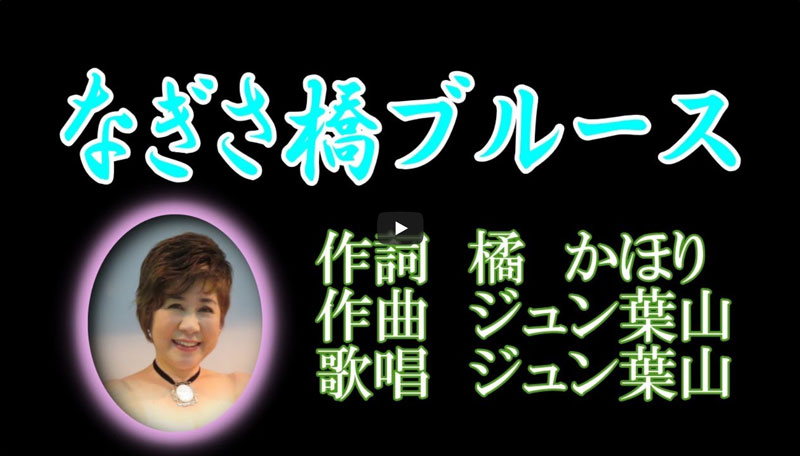
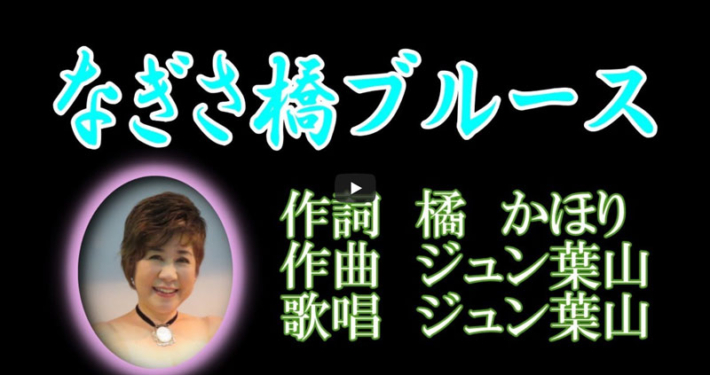
- Nagisabashi Blues — words: Kahori Tachibana; music and singing: Jun Hayama.
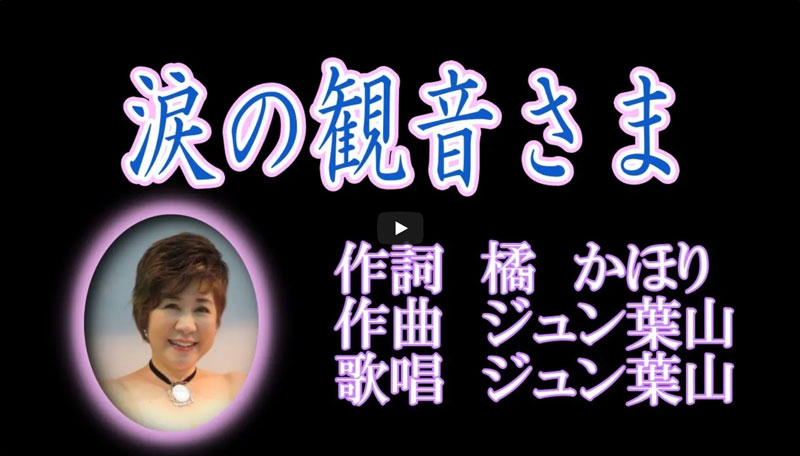
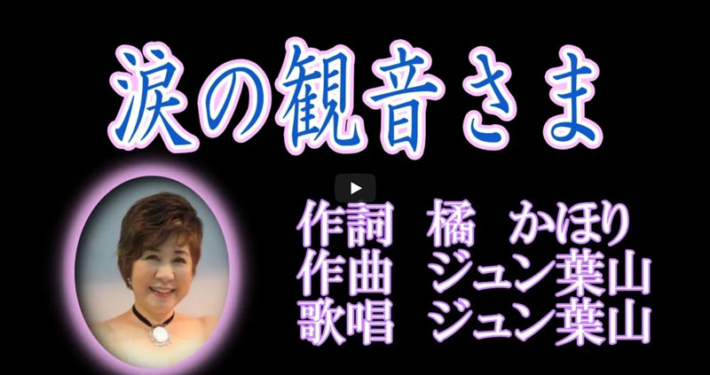
- Namida no Kannon-sama — words: Kahori Tachibana; music and singing: Jun Hayama.
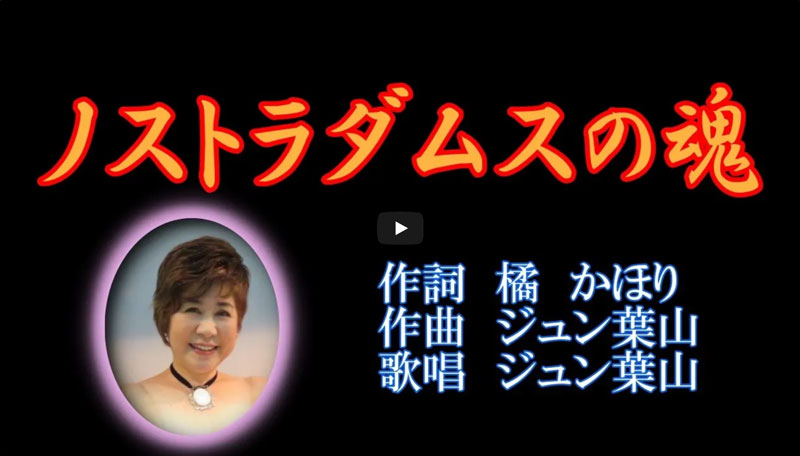
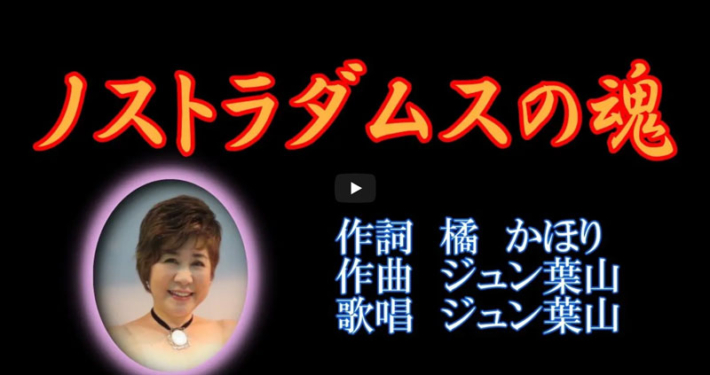
- Nostradamus no Tamashii — words: Kahori Tachibana; music and singing: Jun Hayama.
- Mo Ichido Chokkyu Shobu
Browse works · Contributions invited for the Online Aphorism Collection · Criticism · Popular Song Research
Let the Winter Wind Blow Through the Poetic Heart: The Tanka That Survive Shine Forever
Here the Online Manyoshu is born.
The Academia ranges widely across poetry, essays, fiction, films, television drama, popular song, video, and other forms.
Seishu Hamano, President, Japan Romanticism Academia
We are an entirely separate organization from other academic societies with similar names.
Original first-meeting announcement
First meeting: Sunday, November 1, 2020, from 13:00.
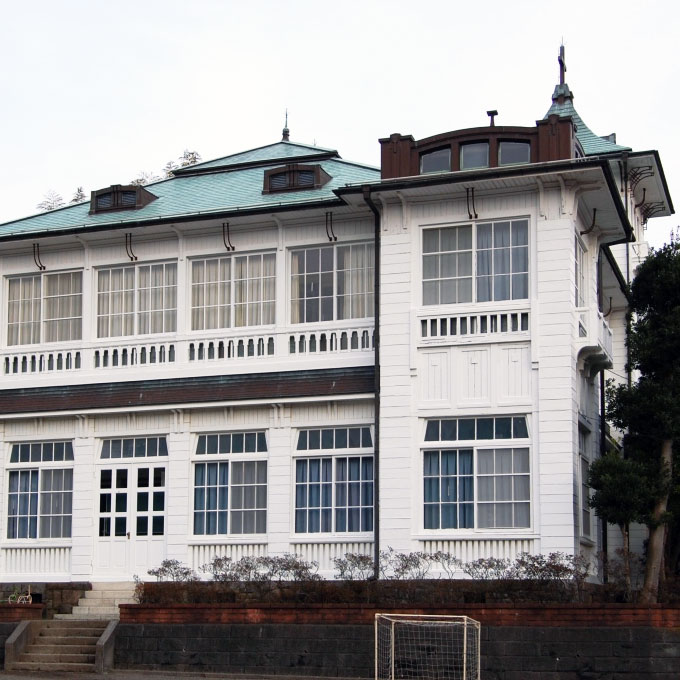
At the Western-style former Higashifushimi-no-miya residence in Hayama, Kanagawa.
For details, inquire at 090-2735-7495.
Planned participation fee: ¥5,000.
This is the announcement as printed here; the cancellation is recorded in a separate source.
Composed upon returning to my hometown
戦やぶれ父母泣き稚児の稲田里いま盆月のさんざめく街
葉山 成秋
Original navigation: first set of panels
Introduction
Let the winter wind blow through the poetic heart. The tanka that survive shine forever.
Reiwa Online Manyoshu
Volume 1: After the Fighting
Volume 2: Living in This World
Volume 3: Questions for People of the Future
Headquarters and officers
Organization and headquarters officers
News 1
The Contemporary Romanticism
Online Edition
Please read the following passage
and join us with your works!
Membership
First membership recruitment: 100 people; closing date May 10, 2020.
Early Regular Member (ERM) / Early Special Member (ESM) / Early Special Course Member (ESCM)
How to join
Please read the regulations in full before applying. Applicants are deemed to agree to the regulations.
Rules for submitting work
All works are reviewed only after membership procedures are complete. Submitted works will not be returned. Always submit works in digital form.
News 2
Purpose, genres, individuality
1. Spread Japanese romanticism throughout the world.
2. Foster the broad range of artistic genres embraced by romanticism.
3. International Goodwill
Regulations
Regulations of Japan Romanticism Academia
Original navigation: second set of panels
Introduction
Let the winter wind blow through the poetic heart. The tanka that survive shine forever.
Reiwa Online Manyoshu
Volume 1: After the Fighting
Volume 2: Living in This World
Volume 3: Questions for People of the Future
Headquarters and officers
Organization and headquarters officers
News 1
The Contemporary Romanticism
Online Edition
Please read the following passage
and join us with your works!
News 2
Purpose, genres, individuality
1. Spread Japanese romanticism throughout the world.
2. Foster the broad range of artistic genres embraced by romanticism.
3. International Goodwill
Membership
The first membership recruitment runs until the first meeting on November 1, 2020. The second recruitment begins the following day.
Early Regular Member (ERM) / Early Special Member (ESM) / Early Special Course Member (ESCM)
How to join
Please read the regulations in full before applying. Applicants are deemed to agree to the regulations.
Rules for submitting work
All works are reviewed only after membership procedures are complete. Submitted works will not be returned. Always submit works in digital form.
Regulations
Regulations of Japan Romanticism Academia
Select an icon or title.
Online Manyoshu
The Online Manyoshu consists of Volumes 1 to 3.
- Volume 1: After the Fighting
- Volume 3: Questions for People of the Future
- Volume 2: Living in This World
Online Manyoshu: a cross-sectional view of Volumes 1 to 3 — view all content
Poems
Volume 1
We welcome tanka, haiku, song lyrics, short poems, poems in English and other forms. Even an enka style is welcome, provided the work expresses social conditions that symbolize its era. In the early Meiji years, amid the enormous upheaval of the Restoration, enka sang of society and despair, becoming records of the age. We look forward to elegies such as 晶子's 「君死に給ふ」 and 真下飛泉's 「戦友」, and poetry filled with feelings concerning Manchuria or otherwise appropriate to this Academia. Poems in English are welcome.
Volume 2
We welcome tanka, haiku, song lyrics, short poems, poems in English and other forms. Even an enka style is welcome, provided the work expresses social conditions that symbolize its era. Now, as Heisei gives way to Reiwa, ways of life change, thoughts change, and a tendency grows for people to live as they please within different networks of relationships. Without such upheavals as wars or runs on banks, recording an era is difficult in its own way. Nevertheless, events such as the bubble years, the great tsunami and the hosting of the Olympics have brought many changes of feeling. We look forward to poetry with wit and spirit. Poems in English are welcome.
Volume 3
Tanka, haiku, lyrics, short poems, English poems, and other forms are welcome if they express social conditions emblematic of an age; an enka idiom is also acceptable. Write about the warmth and passion with which people of the past and present live. That can save future people from coldheartedness and self-destruction.
Stories
Original works by members. Please keep them to approximately 8,000 Japanese characters at most.
Volume 1
Here, too, please choose themes that reflect society or convey the human feelings, customs and ways of life of the time in a way that will move later readers. How do works from the Meiji and Taisho periods look when read by the Reiwa generation? We want work that goes beyond merely sharing Romantic passion, sorrow and joy to discern the grief hidden behind them.
Volume 2
In an age when fiction between literary and popular writing, and mysteries, are in fashion, computer-generated imagery is all the rage in visual media. Fast-paced work incorporating photogenic scenes also belongs to the present day. Yet the human ego embodied in fiction is more unsightly than in wartime. Japanese people, with their needs for food, clothing and shelter satisfied, act ever more selfishly, while the fine tradition of consideration for others is lamentably thinner than in the postwar years of reconstruction. Portray this as it is.
Volume 3
From The Terminator onward, people of the future seem invariably to be a robotic tribe lacking humanity. Our community, however, still has warm blood and tears. We are not asking you to write futuristic fiction. There is little point in producing an imitation of Verne’s science fiction. Rather, we want to show that we people of science possess science far superior to that of ordinary future people, together with far warmer humanity, living daily in a spirit of mutual help. Let us show future people the full measure of our affection, just as Chikamatsu Monzaemon’s tragic love stories still move so many readers and spectators to tears.
Criticism
Volume 1
From the Meiji and Taisho periods through the end of the war in Showa, Japanese people had to live under the ideological control of the authorities and the military. Unless we recognize this, we cannot grasp what the last letters of special-attack pilots were truly trying to convey. Subjects need not be confined to literary criticism; they may include visual media, social conditions, international comparison, war, disaster, values, information and transport.
Volume 2
Original work by members, chiefly literary criticism.
As civilization becomes overripe, aspirations and values decline. Fewer people devote themselves to scholarship in pursuit of a noble way of life or seek the ideals that people of earlier times pursued. People have lost the core of their values, and this affects not only politics and economics but their very outlook on life. Arguments informed by knowledge, comparing visual works or developments overseas, could provide material of reference for later generations.
Volume 3
With that approach, we encourage a contemporary treatment not only of literary criticism but also of film and images, social conditions, international comparisons, war, disasters, values, information, transport, and other subjects.
Essay
Original essays by members.
Volume 1
An essay differs from a mere statement of impressions. The writer's insight is tested. What matters is less the amount of knowledge possessed than how things are seen. Writing produced by a discerning eye is interesting to read. An eye for society, natural phenomena or international affairs is welcome: the writer's powers of discernment make a work worth reading. This is not an easy genre, and it provides a good opportunity to demonstrate one's ability with the pen.
Volume 2
Essays, too, will tend towards discussion of civilization, and the writer's insight will be tested. The phenomena of the present do not stand in simple contrast to those of wartime, and their shadowed aspects carry ambiguities of meaning. Yet the subtleties of people's feelings mirror how life is lived in this age, and many aspects of society should make engaging reading. Natural phenomena and international affairs are also suitable subjects. With the writer's discerning eye, we can look forward to work that rewards close reading.
Volume 3
Teach people of the future the essence of what makes life worth living, as you wish to convey it now.
Thesis
Please follow the separately stated requirements for research papers.
Volume 1
Some academic societies publish papers so absurd that one is moved to ask whether they can really be called literary scholarship. Scholars who think that painstaking logical development or meticulous reference material is enough are not, in the true sense, people of literature. They are merely enthusiasts obsessed with details. The Romanticism Academia will not accept research papers whose sole accomplishment is the accumulation of data. Such papers ignore Romanticism: a sensory, feeling-based sensibility rather than a matter of logic.
Volume 2
In this age, research papers must not end as timid studies of tiny details. Their subjects need not be limited to literary works: they may make astonishing advances in the humanities, and scientific papers, too, should be able to speak to readers 500 years from now. Much depends on the relevance and precision of the reference material.
Volume 3
We look forward to arguments that will astonish future people. As stated before, the Academia does not accept papers whose only strength is accumulating data. Such work disregards romanticism’s sensuous sensibility, which is more a matter of feeling than logic.
Recent posts as displayed when captured
The following were the recently posted works and notices shown on the captured page.
- September 11: Jun Hayama Popular Song and Pops Concert — August 26, 2026; Notices; concert announcements; posted by staff. Read more
- Misogibashi Blues — August 8, 2026; Notices; new popular songs, lyrics and composition; posted by staff. Read more
- Kamakura Komachi Blues — initial version — August 1, 2026; Notices; new popular songs, lyrics and composition; posted by staff. Read more
- At Last It Is Today, I… — July 13, 2026; Notices; essays, Volume 1; posted by staff. Read more
- The Cry of Surrealism and Dada — June 22, 2026; Notices; criticism, Volume 1; posted by staff. Read more
- Romantic Poems of Princess Nukata, Akiko, and Narihira — June 11, 2026; Notices; criticism, Volume 1; posted by staff. Read more
- Yogiri no Espionage — June 8, 2026; Notices; new popular songs, lyrics and composition; posted by staff. Read more
Online Manyoshu: captured recent entries in Volumes 1 to 3
Volume 1: After the Fighting
- At Last It Is Today, I…
- The Cry of Surrealism and Dada
- Romantic Poems of Princess Nukata, Akiko, and Narihira
- Japan Romantic Poetry Forum: Winter, Kisaragi
- Japan Romantic Poetry Forum: Winter, Mutsuki
Volume 3: Questions for People of the Future
Volume 2: Living in This World
Category links shown with the captured lists
- Notices
- Concert announcements
- New popular songs, lyrics and composition
- Essays — Volume 1
- Criticism — Volume 1
Attached Program: September 11, 2026
AI-assisted English translation. The Japanese original remains authoritative.
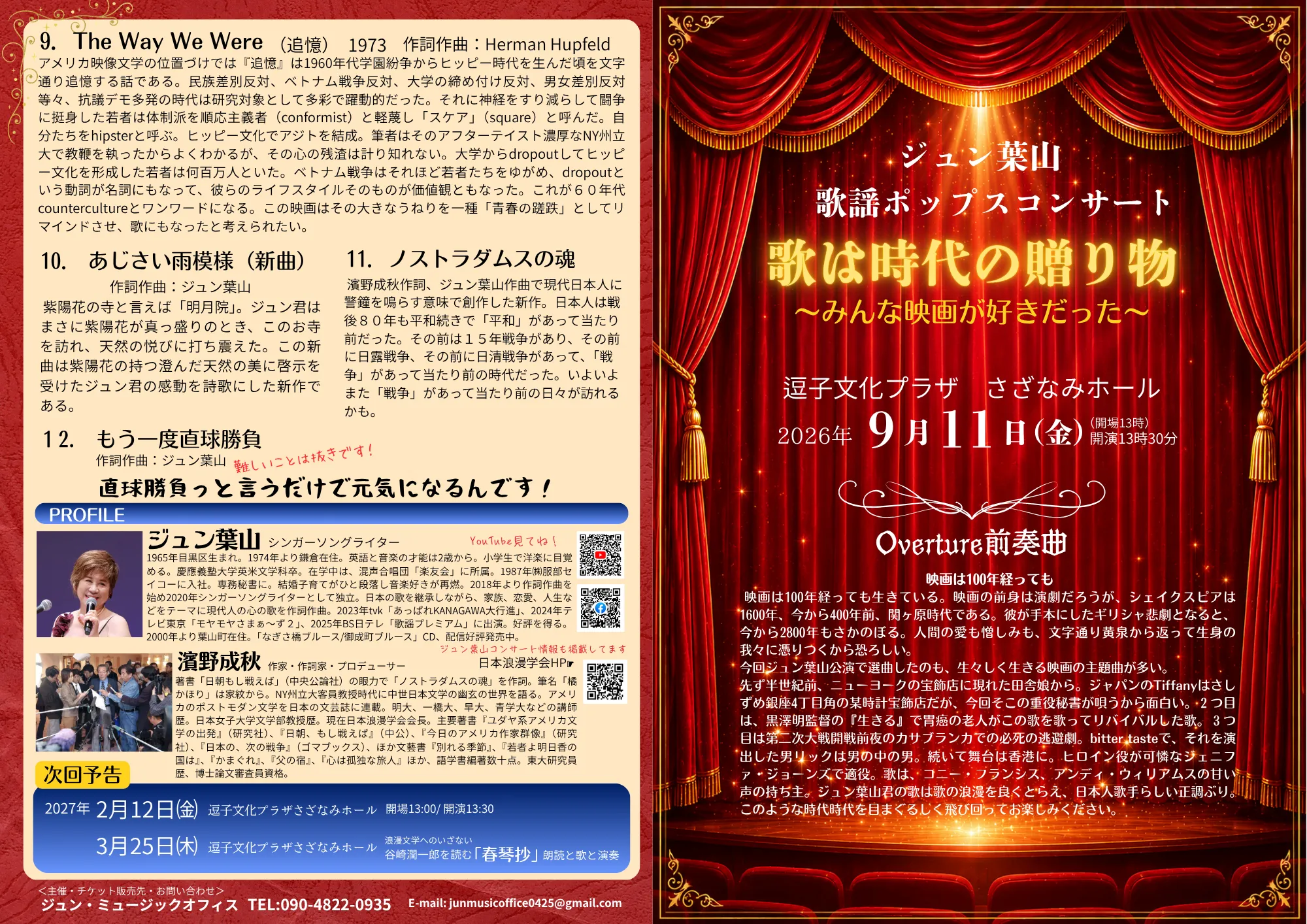
Jun Hayama: Popular Song and Pops Concert — September 11, 2026
Vocals: Jun Hayama
A concert at Sazanami Hall, Zushi Cultural Plaza, on September 11, 2026, with the theme “Songs Are Gifts from Their Times — We All Loved the Movies.”
Originally published: 2026-08-26
Event Information
- Date: Friday, September 11, 2026
- Doors: 13:00 Japan Standard Time
- Performance: 13:30 Japan Standard Time
- Venue: Sazanami Hall, Zushi Cultural Plaza
- Admission: ¥3,000 by reservation; ¥3,500 on the day
- Tickets and reservations: Jun Music Office, [email protected]
Theme: “Songs Are Gifts from Their Times — We All Loved the Movies.”
Concert Information and Program
See the event information above for the date, time, admission and reservation contact.
Image 1: Cover and Program, Continued
Overture — Prelude
A Film Lives On, Even after a Hundred Years
Films live on even after a hundred years. Their predecessor was theater, of course. Shakespeare belongs to 1600, four hundred years ago, the age of Sekigahara. The Greek tragedies he worked with go back 2,800 years from today. Human love and hatred return, quite literally, from the underworld and possess us in the flesh: terrifying.
Many of the selections in this Jun Hayama performance are themes from films that remain vibrantly alive. We begin half a century ago with a country girl appearing in a New York jewelry shop. Japan's Tiffany is, of course, the clock shop at Ginza 4-chome, but it is amusing that today's leading performer will sing of this dual role. The second is a song sung by an old man with stomach cancer in director 黒澤明's 『生きる』, reviving it for a new audience. The third is a desperate flight for life in Casablanca, a foreign land just before the Second World War. With a bitter taste, Rick, the man who plays it, is a man's man. Then the scene moves to Hong Kong. William Holden is perfectly cast as the lonely journalist. The singer is Connie Francis, with a sweet voice like Andy Williams's. Jun Hayama grasps the romance of these song waves, singing in the authentic manner of a Japanese singer. Enjoy traveling at a dizzying pace through these eras.
Program 9. The Way We Were (追憶) — 1973
Words and music: Herman Hupfeld
In the context of American literature on screen, 『追憶』 is a story that literally recalls the period from the campus conflicts of the 1960s to the hippie era. Protests against racial discrimination, the Vietnam War, university restrictions and sex discrimination made those years a diverse and dynamic subject of study. Young people who wore down their nerves and devoted themselves to the struggle scorned supporters of the establishment as “conformist” and called them “square.” They called themselves hipster and formed bases in hippie culture. I understand this well because I taught at the State University of New York amid its thick aftertaste, but the psychological residue is immeasurable. Millions of young people would dropout from university and form hippie culture. The Vietnam War distorted young people to that extent. The verb dropout became a noun, and their very lifestyle took on value. This was brought together in the single word counterculture of the sixties. Please understand the film as recalling that great surge as a kind of youthful stumbling, which also became a song.
10. あじさい雨模様 — New Song
Words and music: Jun Hayama
The temple of hydrangeas is Meigetsuin. Jun visited when its hydrangeas were in full bloom and trembled with the delight of nature. This new song gives poetic form to his emotion, inspired by the clear natural beauty of the flowers.
11. ノストラダムスの魂
A new work with words by Seishu Hamano and music by Jun Hayama, created to sound an alarm for Japanese people today. With eighty years of peace after the war, Japanese people came to take peace for granted. Before that came the Fifteen-Year War; before that the Russo-Japanese War, and before that the Sino-Japanese War: an age in which war was taken for granted. Days when war again seems ordinary may be approaching.
12. もう一度直球勝負
Words and music: Jun Hayama
Leave complicated things aside! Just saying “meet it head-on” makes you feel energized!
PROFILE
Jun Hayama — Singer-Songwriter
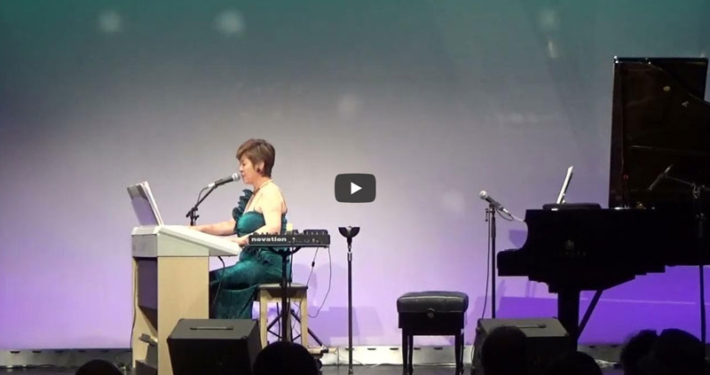
Born in Meguro in 1965. Lived in Kamakura from 1974. His gifts for English and music emerged at two; he became aware of Western music in elementary school. Graduated from the English and American Literature major at Keio University's Faculty of Letters. While a student, he belonged to the mixed chorus 「楽友会」. Joined 服部セイコー Co., Ltd. in 1987 and served as secretary to an executive director. Marriage and bringing up children reached a stage of greater ease, and his love of music returned. He began writing words and music in 2018 and became independent as a singer-songwriter in 2020. While inheriting Japanese song traditions, he writes contemporary songs of the heart on family, love and life. He appeared on tvk's 「あっぱれKANAGAWA大行進」 in 2023, TV Tokyo's 「モヤモヤさまぁ〜ず2」 in 2024 and BS Nippon TV's 「歌謡プレミアム」 in 2025, receiving favorable responses. He has lived in Hayama since 2000. The CD 「なぎさ橋ブルース/御成町ブルース」 is on sale and available for streaming.
Watch on YouTube!
Seishu Hamano — Writer, Lyricist and Producer
Wrote the lyrics for 「ノストラダムスの魂」 from the perspective of the author of 『日朝もし戦えば』 (中央公論社). The name 「橘かほり」 comes from his family crest. During his time as a visiting professor at the State University of New York, he spoke of the ghostly world of medieval Japanese literature. He contributed serial articles on American postmodern literature to Japanese literary magazines. He has lectured at Meiji University, Hitotsubashi University, Waseda University and Aoyama Gakuin University, among others. Former Professor in the Department of Literature, Japan Women's University; now President of the Japan Romanticism Academia. Major works include 『ユダヤ系アメリカ文学の出発』 (研究社), 『日朝、もし戦えば』 (中公), 『今日のアメリカ作家群像』 (研究社), and 『日本の、次の戦争』 (ゴマブックス); literary works include 『別れる季節』, 『若者よ明日香の国は』, 『かまぐれ』, 『父の宿』 and 『心は孤独な旅人』. He has also written numerous language-learning books, held a research post at the University of Tokyo, and holds qualification to examine doctoral dissertations.
Japan Romanticism Academia website — Jun Hayama concert information is also posted.
Next Events Announced in the Program
- Friday, February 12, 2027: Sazanami Hall, Zushi Cultural Plaza. Doors 13:00; performance 13:30.
- Thursday, March 25: Sazanami Hall, Zushi Cultural Plaza. An invitation to romantic literature: reading 谷崎潤一郎's 『春琴抄』, with recitation, songs and instrumental performance.
Organizer, ticket sales and inquiries: Jun Music Office. TEL: 090-4822-0935. E-mail: [email protected].
Image 2: Act I and Act II
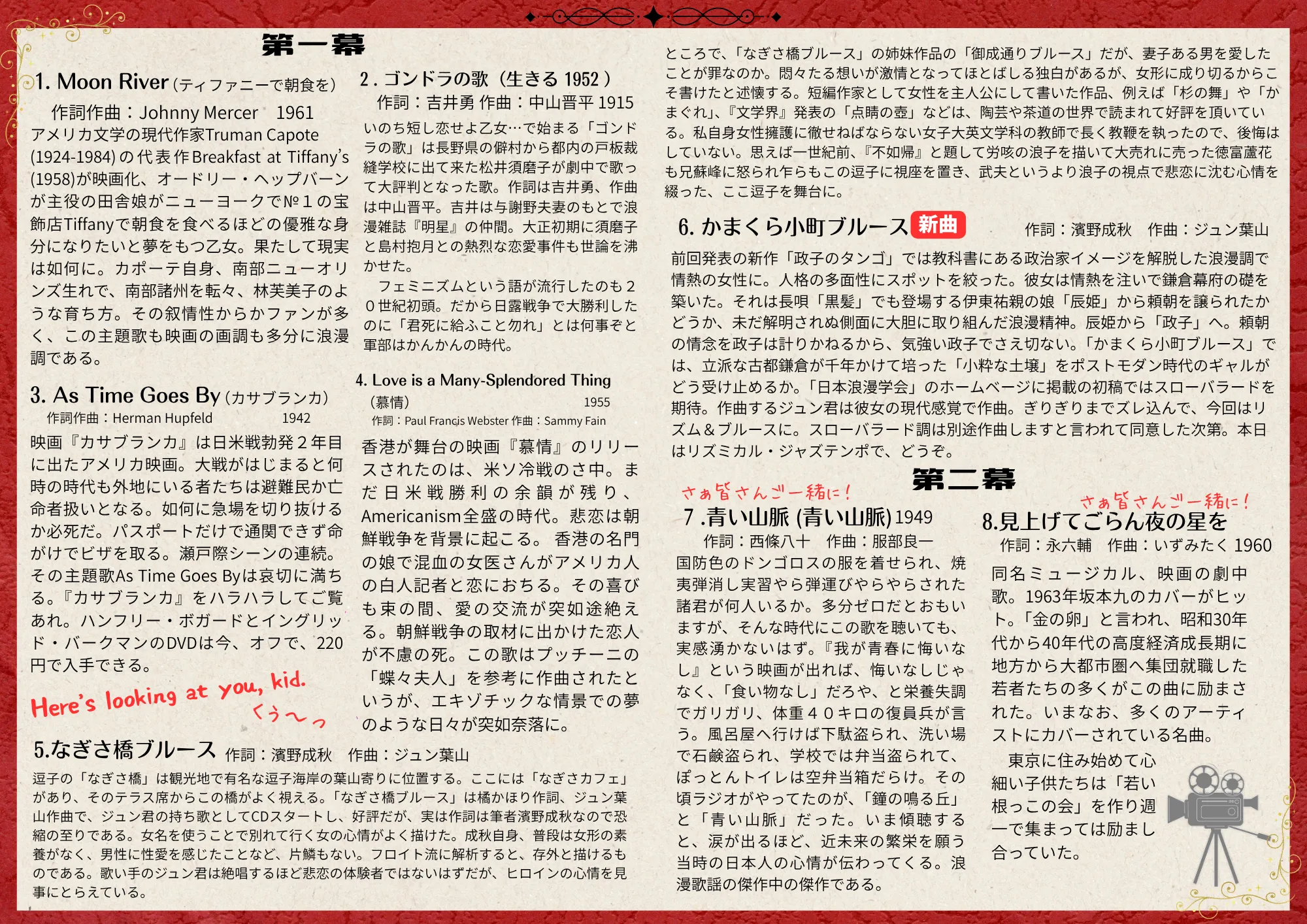
Act I
1. Mon River (ティファニーで朝食を) — 1961
Words and music: Johnny Mercer
Truman Capote (1924-1984), a contemporary American writer, had his representative work Breakfast at Tiffany’s (1958) adapted for the screen. Audrey Hepburn plays a country girl who dreams of attaining the elegant position of eating breakfast at Tiffany, New York's No. 1 jewelry shop. What will reality bring? Capote himself was a southerner from New Orleans, moving among southern states as he grew up, rather like 林芙美子. That lyricism has won him many admirers; both this theme song and the film's dialogue have a strongly romantic quality.
2. ゴンドラの歌 (生きる 1952)
Lyrics: 吉井勇. Music: 中山晋平. 1915.
「ゴンドラの歌」 begins いのち短し恋せよ乙女…. 松井須磨子, who came from a rural part of Nagano to the Togai dressmaking school in the city, sang it in a play, making it a tremendous success. The lyricist was 吉井勇 and the composer 中山晋平. 吉井 was a member of the romantic magazine 『明星』 under the Yosano couple. In the early Taisho years, 須磨子's passionate affair with 島村抱月 also stirred public opinion.
The word feminism became fashionable at the beginning of the twentieth century. Even though Japan had won a great victory in the Russo-Japanese War, the military was furious with romanticism for saying 「君死に給ふこと勿れ」.
3. As Time Goes By (カサブランカ) — 1942
Words and music: Herman Hupfeld
『カサブランカ』 was an American film released in the second year of the Japan–US war. Whenever a great war begins, those abroad become refugees or exiles. How can they survive the immediate crisis, or else die? Lives able to cross borders with a passport alone struggle desperately for visas. In this succession of brink-of-disaster scenes, the theme song As Time Goes By is full of sorrow. Watch 『カサブランカ』 with your heart in your mouth. A DVD with Humphrey Bogart and Ingrid Bergman can now be obtained at Off for ¥220.
Here's looking at you, kid.
Ah, that gets to you!
4. Love is a Many-Splendored Thing (慕情) — 1955
Lyrics: Paul Francis Webster. Music: Sammy Fain.
『慕情』, set in Hong Kong, was released in the midst of the US–Soviet Cold War. The afterglow of victory in the Japan–US war lingered, and Americanism was in full bloom. Its tragic love story unfolds against the background of the Korean War. A female doctor of mixed ancestry, the daughter of a distinguished Hong Kong family, falls in love with a white American journalist. Their joy is brief; the exchange of love is suddenly cut off. Her lover, sent to report on the Korean War, dies unexpectedly. The song is said to have been composed with reference to Puccini's 『蝶々夫人』: dreamlike days in an exotic setting suddenly plunge into an abyss.
5. なぎさ橋ブルース
Lyrics: Seishu Hamano. Music: Jun Hayama.
Zushi's Nagisa Bridge lies toward Hayama at the tourist destination Zushi Beach. Nagisa Cafe is here, with a clear view of the bridge from its terrace. 「なぎさ橋ブルース」 began on CD as a signature song for Jun, credited under the lyricist name 橘かほり, with music by Jun Hayama. It has been well received, but I am almost embarrassed: the lyricist is actually I, Seishu Hamano. Using a female name, I portrayed well the feelings of a woman going away after a separation. In ordinary life, 成秋 has no training as a performer of female roles, nor the slightest memory of feeling sexual love for a man. Yet analyzed in Freudian terms, such writing is possible. Jun Hayama surely has not experienced a tragic love affair to the point of singing out in extremis, but captures the heroine's feelings splendidly.
As for its sister work 「御成通りブルース」, is it a sin to have loved a married man? A monologue erupts as stifled thoughts become passion; I explain that I could write it precisely by becoming a female character. Short stories written with women as protagonists—for example, 「杉の舞」, 「かまぐれ」, or 「点睛の壺」 published in 『文学界』—are read and appreciated in pottery and tea-ceremony circles. I feel no guilt, since I taught for many years in the Department of English Literature at Japan Women's University, where advocacy for women is essential. A century ago, 徳富蘆花 wrote of romance at a women's school in 『不如帰』, making it a bestseller, though his elder brother 蘇峰 scolded him. Here too, I set the perspective in Zushi, drawing out the feelings of the romantic 武夫 sunk in sorrowful love. Let us put Zushi onstage.
6. かまくら小町ブルース — New Song
Lyrics: Seishu Hamano. Music: Jun Hayama.
In the previously announced new work 「政子のタンゴ」, romanticism was used to detach 政子 from the political image in textbooks and reveal a passionate woman. The focus was on the many facets of personality. She poured her passion into laying the foundations of the Kamakura shogunate. Had she taken 頼朝 from 辰姫, the daughter of 伊東祐親 who also appears in 『黒髪』 in nagauta? A romantic spirit boldly tackles aspects that remain unresolved. From 辰姫 to 政子. 政子 cannot tolerate 頼朝's infidelity, and even her forceful spirit turns poignant. In 「かまくら小町ブルース」, how will a girl of the postmodern age receive the “sophisticated ground” cultivated by the splendid ancient capital of Kamakura over a thousand years? In the first manuscript on the Japan Romanticism Academia website, I anticipated a slow ballad, but Jun composed with her contemporary sensibility, pushing energetically into it, and this time it has become rhythm and blues. When she said she would compose a separate slow-ballad version, I agreed. Today, enjoy it in a rhythmic jazz tempo.
Act II
7. 青い山脈 (青い山脈) — 1949
Lyrics: 西條八十. Music: 服部良一.
Everyone, join in!
How many of you were made to wear khaki canvas clothing, practice extinguishing incendiary bombs and carry ammunition? Probably none, I think. But hearing this song in those days would have felt unreal. If a film called 『我が青春に悔いなし』 appeared, an emaciated, malnourished demobilized soldier weighing forty kilograms would say, “Never mind ‘no regrets’—we have no food!” Go to the bathhouse and your clogs were stolen; in the washing area, your soap was stolen; at school, your lunch was stolen, leaving the pit latrine full of empty lunch boxes. That was when the radio played 「鐘の鳴る丘」 and 「青い山脈」. Listen now, and the feelings of Japanese people then, wishing for prosperity in the near future, come through so powerfully that they bring tears. It is a masterpiece among masterpieces of romantic popular song.
8. 見上げてごらん夜の星を — 1960
Lyrics: 永六輔. Music: いずみたく.
Everyone, join in!
A song from the musical and film of the same title. 坂本九's 1963 cover was a hit. Many young people nicknamed the “golden eggs,” who moved in groups from rural regions to the big cities for work during the rapid economic growth of the Showa thirties and forties, were encouraged by this song. Even now, many artists cover this renowned number.
Feeling lonely after beginning life in Tokyo, these young people formed the 「若い根っこの会」 and gathered once a week to encourage one another.
Translation note: this translates the web notice and both complete program images, including profiles and the subsequent-event notices. Song and work titles are retained in their original wording; quoted lyric phrases remain Japanese. English spellings and credits such as “Mon River,” “Herman Hupfeld” for “The Way We Were,” and the dates printed in the program are preserved without correction. The profile says 御成町ブルース while the commentary says 御成通りブルース; both are retained. The program uses both masculine and feminine references for Jun; this variation is retained. Prices, biographical descriptions and subsequent-event announcements reflect the supplied program, not a new verification. No year is added to the March 25 notice.
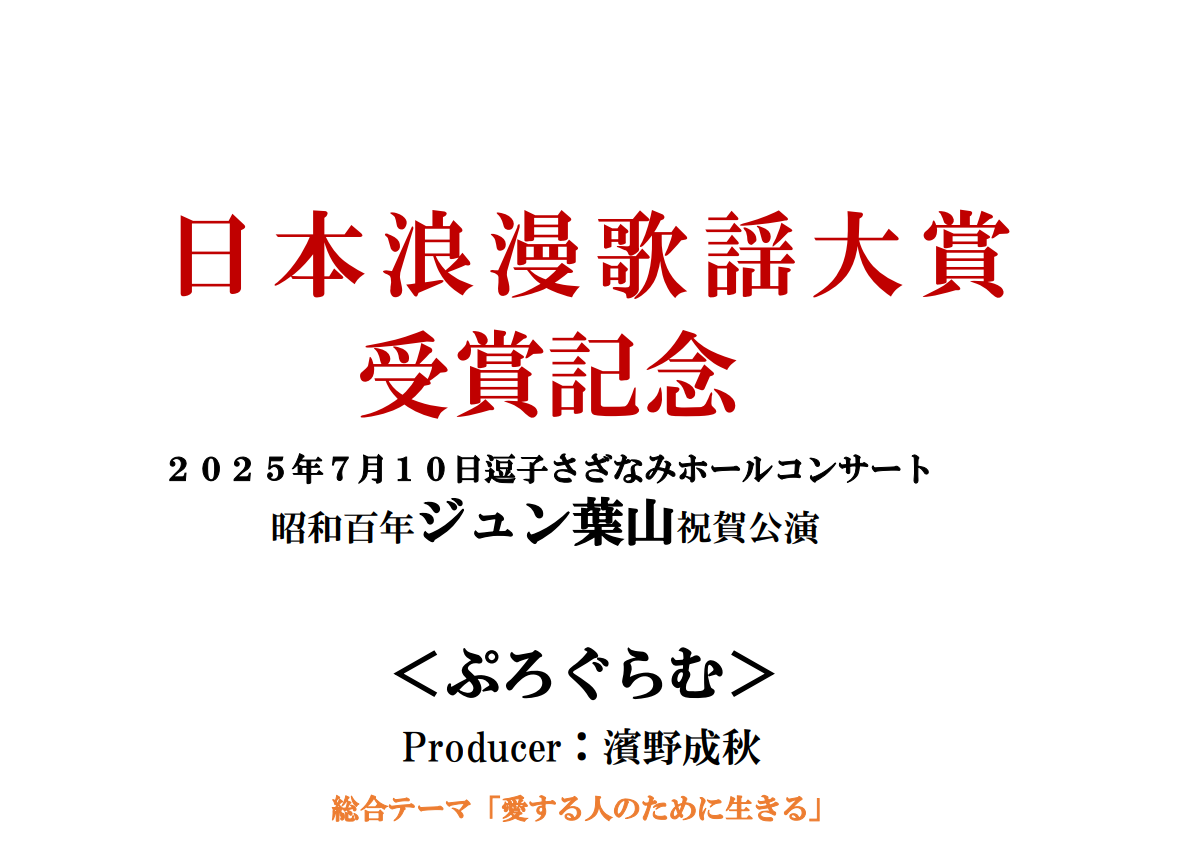
Attached Historical Program: July 10, 2025
Celebrating the Japan Romantic Popular Song Grand Prize
July 10, 2025 concert at Sazanami Hall, Zushi
Jun Hayama celebration marking a hundred years since the beginning of Showa
Producer: Seishu Hamano
Overall theme: “Living for the One You Love”
First theme: “When a Woman Sheds Tears”
1. Tennessee Waltz — from the Showa twenties to the present
Overview: At a dance party a girl introduces her lover to a friend, only to have that friend steal the lover away! It is the song of a rejected girl tearfully recounting that scene. In Japan it was tremendously popular at occupation-force dance parties just after the war, with many Japanese people taking part. It later became a state song. Democracy came through contact with cheerful Americans, and in school classrooms alongside demobilized soldiers.
The original PDF prints an existing English lyric quotation here. The lyric itself remains available in that original source and is not newly reproduced or translated in this prose edition.
The grammatical note beside the second line identifies emphatic inversion: the ordinary SVO order has become OSV. The original performance direction says to repeat the whole passage again and again.
The Japanese singer was Chiemi Eri, later known for playing Sazae-san in the television series. At the time she could not be called particularly accomplished, but she later improved enormously. In phrasing and emotional expression—or, in karaoke terms, pitch, tone color, dynamics, and rises and falls—she became unequaled.
Words: P. W. King and R. Stewart. Music: P. W. King.
Afterthought: This time Jun Hayama takes on the song, insisting on being allowed to try it. I agreed because Jun has also become better at grasping a wounded woman’s feelings. Exhausted every day by caring for parents, Jun nevertheless works hard, appears on television, and has improved as a performer.
2. Nagisabashi Blues — from the extended Showa nineties onward
Words: Kahori Tachibana. Music: Jun Hayama.
Printed matters available
Background: The shore at Zushi, Kanagawa, is famous for Takeo and Namiko in Hototogisu. Hisao Ito and Koume Akasaka sang 可愛浪さん僕の妻 in 1936. This story of pure love endured after the war, but few people now visit the literary monument to Roka Tokutomi. It seems to have been drowned out by lyricists who have singers passionately deliver lines such as Teresa Teng’s あなたの肌に爪を立てたい or このままあなたの胸でくらしたい….
The lyrics of Jun Hayama’s “Nagisabashi Blues” were written to pursue, for the first time in a while, the idea of a “bridge of tragic love” to its limit. The story concerns a woman who loves a man with a wife and children but cannot be with him. He says he will certainly return, then never does. Holding in her palm the pink tellin shell he gave her, the heroine cries through her tears: もう帰って来なくていい、あなたは可愛い子たちが生き甲斐なのね…わたしは空っぽの貝殻なの…
Afterthought: Have you noticed that “Nagisabashi Blues” has returned with accompaniment arranged for a full orchestra? Winds, strings, and percussion overlap to evoke the heroine’s state of mind. Jun Hayama sang “Nangoku Tosa…” brightly on Nippon Television’s Kayo Premium, and builds this song too into a richly textured, alluring climax. Its sequel is “Onarimachi Blues,” moving the setting from Zushi to Kamakura. Will the two be united there? They do say that marriage is the graveyard of love.
3. Gakusei Jidai — from the Showa thirties to the present
Words and music: Seiji Hiraoka.
Background: “Gakusei Jidai” is often called “Aoyama Gakuin’s song.” Students there study hard and, because it is a mission school, attend chapel of their own accord. The song has permeated the place. The line ノートとインクの匂い… brings nostalgia, and now that the number of people who have experienced university has risen sharply, the song captures what was the most brilliant period in many lives.
Overview: I myself taught special lectures on American literature for fifteen years in Aoyama Gakuin’s evening division, in a large classroom of a hundred and fifty students. Without handouts or PowerPoint, I wrote maps, authors’ names, key words, and memorable phrases on the blackboard, then erased and rewrote them. Throughout each ninety-minute lecture I filled that Cinemascope-shaped board three times, erasing and writing again. I made the students take everything down, accepted questions, then continued speaking while writing supplementary notes in question-and-answer form, telling them to memorize it all. The amount of knowledge I required was enormous, but they studied very hard indeed. That was the real study scene of Aoyama Gakuin’s “student days.”
Afterthought: In that hundred-and-fifty-seat classroom, the front two rows were always occupied by adult students attending training courses from embassies and consulates in Tokyo. Their earnestness encouraged the students behind them to work hard too. Many also followed me for a late meal in Shibuya after class. Once, on a beach in Hayama, students from Japan Women’s University’s English department joined us, bringing the total to more than two hundred, and we all sang “Gakusei Jidai.” That is why it always brings tears to my eyes. Such days really existed, and my nostalgia is all the deeper for that.
4. Besame Mucho — from the Showa thirties onward
Background: Consuelo Velazquez of Mexico wrote this song in 1940, the year before war began between Japan and the United States. It brims with tremendous desire, expressed in the words わたしにもっと、もっとキスしてえ! The author supplies these English explanations: “Kiss me much. Kiss me a lot. Kiss me again and again.” Initially backed by guitar and harp, it can also have trumpet stirring desire; some later arrangements begin with drums and saxophone. There is a story that Consuelo wrote it without having experienced a kiss, but, as the original puts it, “Nobody can tell.”
A fond recollection: In the latter half of the Showa thirties, when “Besame Mucho” was popular during our student days, my still-close friend Takero Morimoto played Hawaiian music at Ginza’s Tact, while I opened for Dick Mine at Shinbashi’s Show Boat. Twenty years later, Jun Hayama sang authentic jazz songs and “Besame Mucho” as part-time work at Ginza’s Swing. But Jun is the only one of us still making a living from singing. Today Jun’s teacher, the great bassist 根市タカオ, is expected to be with us. Members of the family of our revered Masao Koga are also expected…
5. Kamakura Lonely Love — from the extended Showa nineties onward
Words and music: Jun Hayama.
Background: Love has existed since ancient times: love between men and women, filial love, love between siblings, patriotism, loyalty to a company, erotic love, affection, and love of home. Love requires an object. Self-love and altruism are also forms of love, and many writers have grappled with love that is partial or distorted. In Tanizaki’s Shunkinsho, set in a world of blindness, a lover’s devotion to the blind Shunkin leads him to become blind himself. This self-inflicted suffering contrasts with the destructive tendency in Mishima’s The Temple of the Golden Pavilion.
“Kamakura Lonely Love” is one such case. To love and pursue romantic aestheticism to the utmost is to arrive at the pure love I am describing. Jun Hayama both writes and composes this ultimate love story, singing the form that love takes.
Jun’s aside: Add an improvised comment.
6. The End of the World — the latter half of the extended Showa year one hundred
Background: I began the previous song by saying that love has existed since ancient times. So has heartbreak. Days spent bearing the wounds of loss feel like the end of the world. Even if a girl is abandoned by her lover, the whole universe carries on as though it knows nothing about it. Everything is over when you leave, yet those around her fail to understand that her world has ended. This feeling is not confined to love. Does a boy who devoted himself desperately to entrance examinations, only to be thoroughly rejected and face another year of preparation, feel the same way?
I have never suffered a great romantic rejection. But many times I have pursued a dream, worked for years, and failed to see it fulfilled. I do not consider that “the end of the world.” I tried again, and it worked. Life is not falling seven times and rising eight: think of falling seven thousand times and rising eight thousand, and keep trying. Fifteen defeats in fifteen attempts in youth then cease to be any real injury.
Romantic feeling is different, however. That is where romanticism differs from pragmatism. Being rejected by a lover is draining; it can make one weary even of living.
Aside: Brenda Lee sings this song, and so does Aki Yashiro. They all sing it well. Yet a great star is somehow not right for it. Sung by a vulnerable young woman, it recalls the age of a racing heart and an adolescence in which one failed to declare one’s love. One gently lays a hand over a heartbeat that is still going. Jun Hayama, too, is delicate and vulnerable, which may be why this has become a signature song…
7. Nangoku Tosa o Ato ni Shite
Background: This was a signature song of the late Peggy Hayama. Our star, Jun Hayama, was given the opportunity to sing it on Nippon Television’s Kayo Premium at nine in the evening on June 23 this year. Before Peggy sang it, this vigorous celebration of southern Tosa is said to have arisen spontaneously during the war among Imperial Army and Navy soldiers from Tosa.
It is vigorous, but also more than a little suggestive. In fact, I find it richly so. The line ゆうたちいかんちゃ、おらんくの池にゃ、潮吹く魚が泳ぎよる… says one should not tell, because it is a secret—but why the insistence on silence? The preceding phrase 私も負けじと励んだあとでぇ~ is teasingly suggestive. And おらんくの(自分ちの)池にゃ、潮吹く魚が元気に泳いでる—just what one expects of Tosa people, who joke of seeing a monk buying a hairpin at Harimaya Bridge.
An aside about Jun: I have not told Jun this interpretation, since it would only get me scolded. In the Nippon Television headquarters studio, Jun sang the entire piece without a moment’s uncertainty: a perfect recording, with no retake. People from Tosa responded with tremendous cheers. My thanks, my thanks.
8. Dojokko Funakko — from the Showa thirties onward
Words: Kahori Tachibana (Seishu Hamano). Music: Jun Hayama.
Background: Children raised in the countryside go into little streams from an early age, spending whole days catching loaches and crucian carp for fun. Friends who share those memories remain close enough to call each other by affectionate childhood names even as adults. After moving to Tokyo and working in different places, they still meet to drink and eat together.
The song begins when, on one such day, a phone call comes: “One of our friends is getting married. Let’s sing together at the reception.”
A friend’s wedding can in one sense be a shock, and among unmarried friends it may spark a match: shall we get married too? Young people came from Tohoku straight after junior high school, taking employment trains to Ueno. Carrying a Boston bag, they arrived on night trains and stepped onto Ueno Station. Called “golden eggs,” they carried high expectations but struggled to adjust to the metropolis. Homesick for the country, they cried in bed at night. Yet they gritted their teeth and persevered, forming “Young Roots” associations with others from home. Hundreds of such groups existed in Tokyo.
Seventy years later, they are respected shopkeepers, now in their eighties or nineties. Among the grandchildren of these great predecessors are people still in their early twenties. When marriage comes up between these young people from the same hometown, they too remember that child at the village stream, with a tiny loach-like thing dangling. Yet all this child says now is, let us sing together! That will not do! Memories of country life remain interwoven even in the metropolis. What will happen? Keep time with the comic rhythm and join us.
Concluding afterthoughts
To commemorate the Japan Romantic Popular Song Grand Prize, I have tried especially to evoke selected decades of Showa while remembering Peggy Hayama, with whom our ties are particularly deep. I would be glad if you listened thinking that, for you too, those days are now a phantom.
Peggy never sat at a desk beside me at Aoyama Gakuin. Although she did not attend the university, the three of us—Peggy, Hisaya Morishige, and I—discussed doing Fiddler on the Roof again. Around that time I often met the kyogen performer Motoya Izumi on campus. He was still a university student and was already making more than two hundred appearances a year. He took eight years to obtain all the credits required to graduate from Aoyama Gakuin.
The other day he performed at Butsunichian in Engakuji and also collaborated with Jun.
永らえば またこの頃や偲ばれむ 憂しと見し世ぞ 今は恋しき
There will never again be days when I can meet Peggy or Morishige. Everything is a phantom. Showa has ended, but it connects through Heisei and leaps back into us. Extraordinary. Will these hundred years return again even a thousand years from now? We would like respectfully to salute this turbulent century of history.
Concert announcement printed at the end of the PDF
Jun Hayama, known as a vocalist in Ginza’s jazz world, has now received the Japan Romantic Popular Song Grand Prize. To mark it, a concert will take place on July 10 at Sazanami Hall in Zushi, with the program above. Many other songs will also be performed; the notes above outline the first half. The second half will be included in the program distributed at the venue. Advance tickets are now on sale. We are accepting early bookings by telephone, so please contact us at the number below.
Contact: 090-2735-7495
Academia International
Original documents
The documents retain the language and wording of their original publication.
Original source images
Select an image to open its source. Text within images remains in its original language.

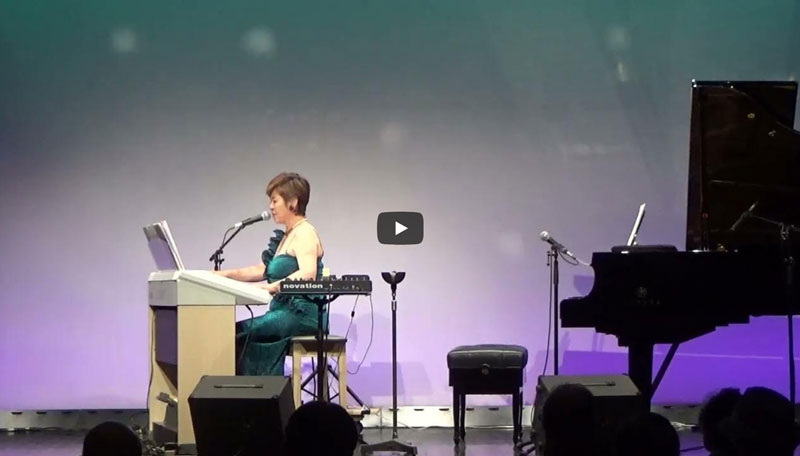



Videos from the original publication
The recordings and any captions remain in their original language.
Original wording, author credits, notes and source materials are preserved there.